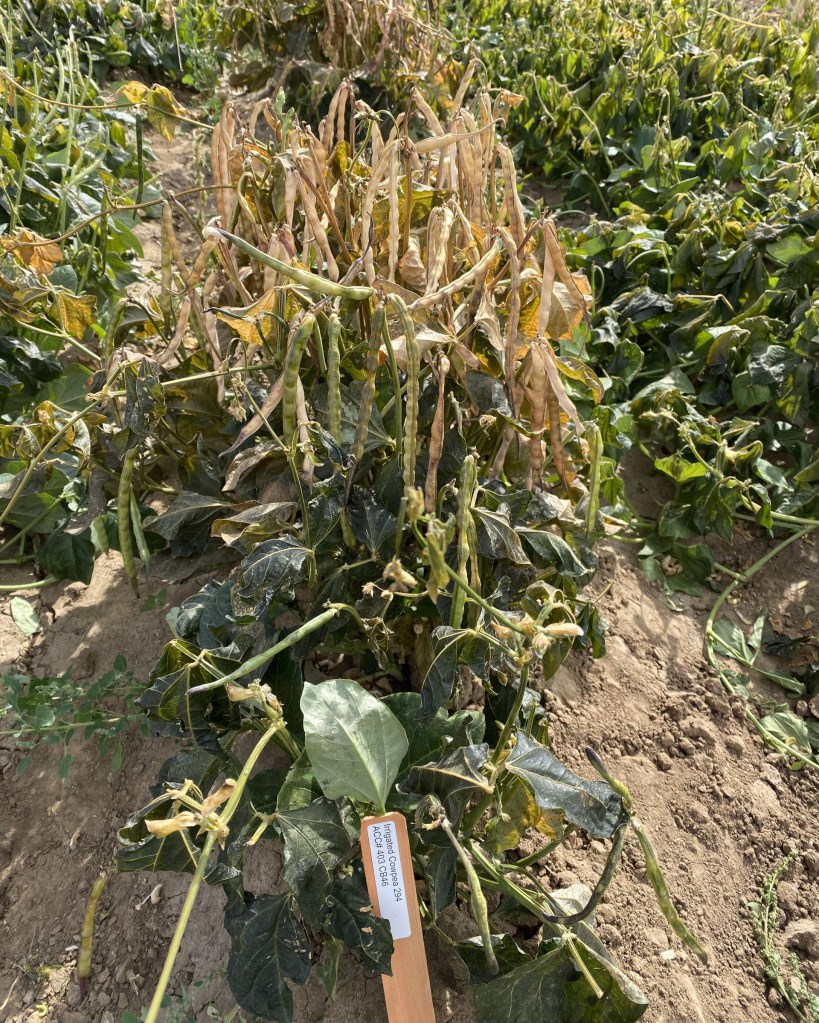
How does food-related land-use drive global environmental change?
Land is essential for addressing climate change and other global challenges. Food and agriculture are central to this endeavor. This is because the global food system occupies around half of global habitable land area, and, depending on system boundaries, emits anywhere from one-quarter to more than one-third of all anthropogenic greenhouse gas emissions. The food we grow and how we grow it varies considerably in land and carbon footprints: lowering these footprints is critical to cutting emissions and enhancing land-based carbon removals.
At the SCALE Lab, our work often involves confronting simplistic narratives about land-based climate actions. We also interrogate existing and emerging interventions for their potential to deliver adequate food, climate change mitigation, and ecosystem conservation for the future.
Research Themes
Our research fits within three thematic areas.
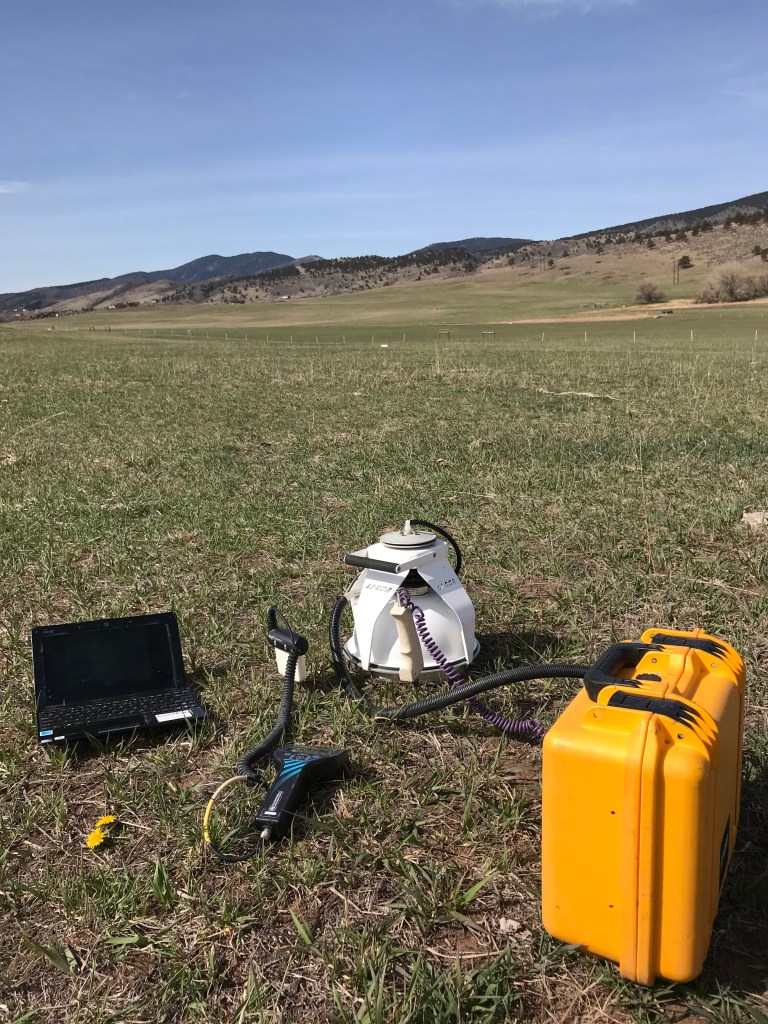
Soil Carbon Removals
Better soil management can help remove carbon dioxide from the atmosphere and lower the climate footprint of the food system.
See our previous work focusing on cover crops, including published literature and with process-based models, and organic amendment applications to pastures.
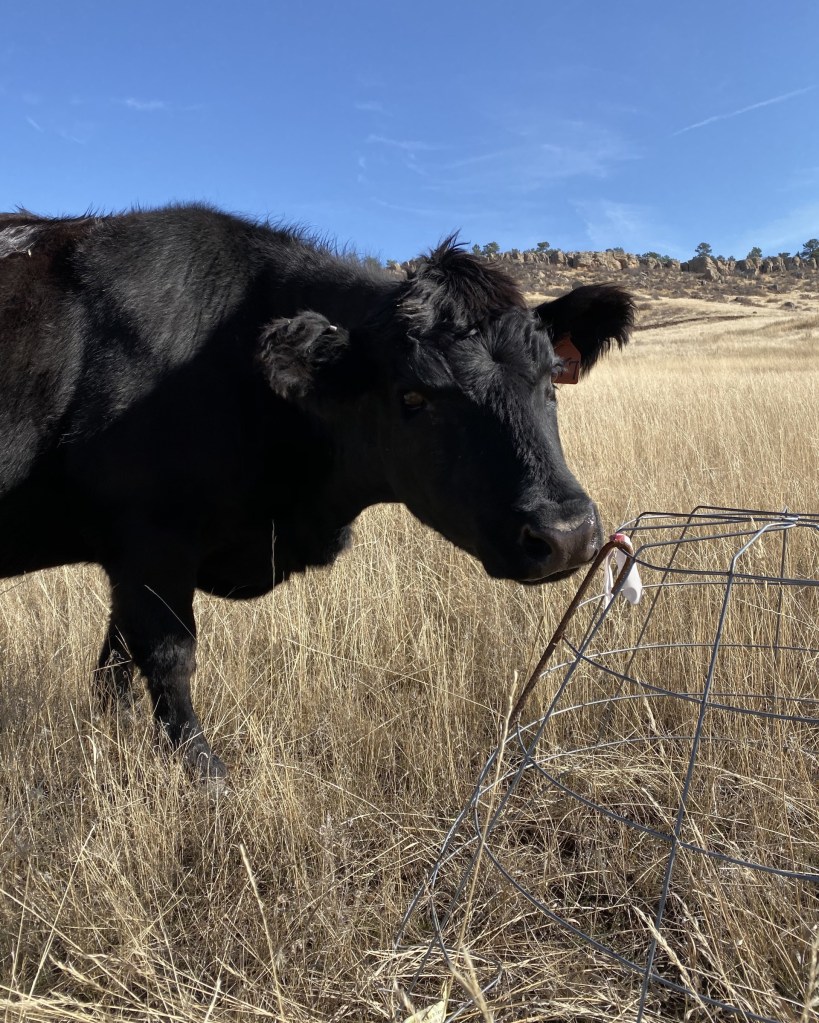
Climate Emissions and Hazards
Animal agriculture is responsible for around 12-20% of global anthropogenic greenhouse gas emissions. Emissions vary considerably by animal type and production system as do impacts on other environmental dimensions like biodiversity and land use.
Explore our work on livestock including a systematic review and a methods pilot, and an analysis of strategies to lower enteric methane.
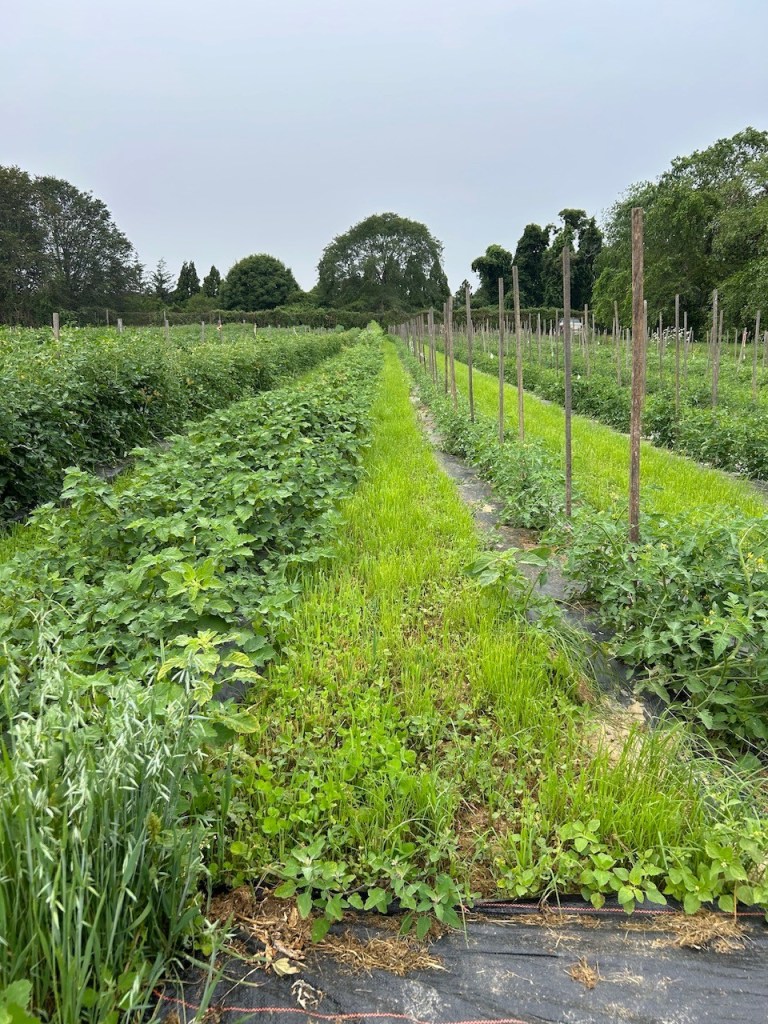
Land-use and Management
Agricultural landscapes face numerous stressors and pressures. A better planetary future demands rigorous investigation of tradeoffs and opportunity costs of current and potential land use and management decisions.
Discover our work on balancing climate mitigation and crop yields, and the wider ecosystem impacts of compost additions to grasslands.
Current Projects
Multiple lines of evidence for constraining expected soil-based carbon mitigation from regenerative agriculture.
Soil Carbon Removals
Regenerative agriculture may help mitigate near-term climate change by enhancing land-based carbon removals via improved soil management. Together with Woodwell Climate Research Center, we are evaluating SOC responses to single and multiple regenerative practices in global croplands over the next 10 to 20-years from a process-based model. The distribution of these predicted responses will be compared to empirical data from recent meta-analyses, and to a novel modeling method based on fPAR. This research will assist carbon credit buyers with quickly assessing the validity of estimated carbon removals from regenerative agriculture projects.

Process-based model predictions of grassland soil organic carbon responses to land-use change and management interventions.
Soil Carbon Removals, Land-use and Management
Natural and managed grasslands occupy considerable global land area and store 20-30% of global soil carbon. There is interest in the restoration of soil organic carbon (SOC) in grasslands to meet climate change mitigation goals. But, potential gains in SOC vary widely by geography, biome, land management, and the effects of climate change. Process-based models are useful for estimating expected SOC gains or losses from land use change and management, but these model-based estimates have not been comprehensively synthesized. The SCALE Lab is leading this effort through the Research Initiative for Northeast Grazing Soils (RINGS) network coordinated by The Soil Inventory Project (TSIP).

Industrializing animal agriculture in South Asia.
Climate Emissions and Hazards, Land-use and Management
Across LMICs, food demand is expected to increase substantially over the next few decades as human population and incomes rise. Limited land resources necessitate high efficiency crop production to meet this demand. However, this efficiency is undermined when crops are instead used instead to feed livestock. Potential feed-food tensions raise pressing food security challenges including access to and availability of diverse crops for healthy diets. Here, we investigate the impact of industrializing animal agriculture on food crop production in Bangladesh.